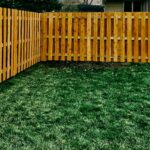
Having a pool in Cape Coral is a luxury many homeowners enjoy, especially with the year round warm weather. But with this comes responsibility—especially when it comes to safety regulations. One of the most common questions Cape Coral homeowners ask is: “If my entire yard is already fenced, do I still need a separate fence around my pool?”
The answer depends on several factors including local and state laws, the type of fence around your yard and how your property is configured. In this guide we’ll go over Cape Coral’s pool safety regulations and what homeowners need to know to stay compliant and keep their families safe.
Cape Coral’s Pool Safety Laws
Cape Coral has some of the toughest pool safety laws in the country, mainly due to the high rate of accidental drownings involving young children. To help prevent these tragedies the Cape Coral Residential Swimming Pool Safety Act (Chapter 515, Cape Coral Statutes) outlines specific requirements that must be met for residential pools.
Under this law all residential pools must have at least one of the following safety features:
- A barrier that meets specific height and gate criteria.
- A pool safety cover.
- Alarms on all doors and windows providing direct access to the pool.
- A self-closing, self-latching gate.
In most cases the most practical and widely used option is a compliant physical barrier, like a fence.
If I Already Have a Fenced Yard, Does That Count?
The answer is: it depends.
If your existing perimeter fence meets all the requirements of the Cape Coral Pool Safety Act then you may not need a separate, dedicated pool fence. But many backyard fences don’t meet one or more of the law’s strict guidelines.
Requirements for a Pool Barrier in Cape Coral
For your yard’s fence to qualify as a pool safety barrier in Cape Coral it must meet the following requirements:
- Minimum Height: The fence must be at least 4 feet (48 inches) tall on the outside.
- No Gaps: There can be no gaps or openings greater than 4 inches. This is to prevent children from slipping through or underneath.
- Climb-Resistant: The design must not contain any features (like horizontal slats) that children can use to climb over the fence.
- Gate Requirements * Must be self-closing and self-latching.
- Must open outward, away from the pool.
- Latch must be at least 54 inches from the ground to prevent access by young children.
- Direct Access Restrictions: If there are doors or windows from the house that provide direct access to the pool area, they must be equipped with alarms or barriers unless the pool itself is fenced separately.
Common Issues with Relying on a Yard Fence
Even if your backyard is fully enclosed, many fences are not originally constructed with pool safety in mind. Here are a few common pitfalls:
1. Improper Gate Design
Many standard backyard gates do not self-close or self-latch, which is a critical component of pool safety.
2. Short Fences
Privacy fences often vary in height and may not consistently meet the 48-inch minimum around the entire perimeter.
3. Climbable Surfaces
Chain-link or lattice fences can be easy for kids to scale unless properly modified.
4. Non-Compliant Latch Placement
If the latch is within reach of small children (lower than 54 inches), it won’t satisfy Cape Coral’s safety standards.
When a Separate Pool Fence Is Recommended
If your existing yard fence falls short of any requirement, the most straightforward solution is to install a separate pool fence. These are typically:
- Made of mesh or glass.
- Removable or permanent.
- Designed specifically for child safety.
- Installed inside your yard, creating a second layer of protection around the pool.
This setup is especially beneficial for families with small children or frequent young visitors.
Additional Safety Measures to Consider
Even if your fence meets legal standards, layered protection is the best way to ensure pool safety. Consider combining the following:
- Pool alarms: Devices that alert you if someone enters the pool unexpectedly.
- Door and window alarms: Especially for any access points from the house to the pool area.
- Pool covers: A safety-rated pool cover can prevent accidents when the pool is not in use.
Cape Coral law allows these alternatives, but for maximum protection, combining physical barriers with alarms and supervision is ideal.
Insurance Implications
Homeowners insurance providers in Cape Coral often require that pools be secured in accordance with state law. Failure to comply could result in:
- Higher premiums
- Policy exclusions* Denial of claims in the event of an accident
A compliant fence not only prevents legal issues but also ensures you’re covered in case of liability.
Buying or Selling a Home with a Pool?
If you’re buying or selling a Cape Coral home with a pool, make sure the pool fence meets current codes. A home inspection will flag non-compliant items and local code enforcement may require updates before closing.
If you’re the seller, upgrading the fence will give buyers more confidence and help close the deal. As a buyer, make sure the pool area feels safe and doesn’t pose a risk—especially if you have or will have kids.
Conclusion
So, do you need a fence around your pool if your yard is already fenced in Cape Coral?
Only if your existing fence meets Cape Coral’s pool safety standards—and most times it doesn’t.
Even if your yard is enclosed, take the time to check the fence height, gate functionality and overall compliance. If any of those are lacking, install a separate pool fence or add more safety measures.
You’ll be protecting lives and your home from liability and yourself and your loved ones from peace of mind.