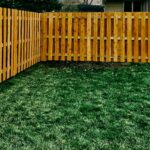
Building a fence is one of the best ways to define property lines, increase privacy, boost security and curb appeal. But before you dig that first post hole, Cape Coral homeowners need to know if a fence permit is required—and what local rules apply. Fence permitting in Cape Coral varies by city or county so understanding state wide norms and municipal regulations is key to a smooth and legal installation.
This guide covers what homeowners need to know about fence permits in Cape Coral including when they are required, how to apply and why compliance matters.
Do I Need a Permit in Cape Coral?
The short answer: Yes, in most cases you need a permit to build a fence on your property in Cape Coral. But the requirement isn’t enforced at the state level. Instead individual cities and counties have their own rules so whether or not you need a permit—and what kind of fence is allowed—depends on where you live.
For example:
- In Miami-Dade County a permit is required for any new fence installation or substantial repairs.
- In Orlando a fence permit is required for all types of fences including wood, vinyl and chain-link.
- In Tampa residential fences over a certain height require a permit.
- In Cape Coral a permit is required for almost all types of fences and placements.
Always check with your local building department before starting a fencing project.
Common Fence Permit Requirements in Cape Coral
Here are a few common requirements that most Cape Coral cities and counties have when it comes to fencing permits:
1. Fence Height Limits
- Front yard fences are typically 3 to 4 feet tall.
- Side and backyard fences may be 6 feet tall.
- Taller fences especially privacy or security fences often require a special exception or variance.
2. Setback Rules
Setback requirements dictate how far a fence must be from property lines, sidewalks or roads. Some jurisdictions allow fencing right on the property line while others require a small buffer zone.
3. Material Restrictions
Some areas restrict certain materials (e.g. barbed wire, electric fencing) or require that fences be made of approved materials like vinyl, aluminum, wood or composite.
4. **Zoning and HOA RulesEven if your city doesn’t require a permit, your Homeowners Association (HOA) might. HOAs often have strict rules on fence style, height and color.
Why Permits Matter
Skipping the permitting process may seem like a shortcut but can lead to serious consequences:
- Fines and Penalties: Building without a permit can result in daily fines until the issue is resolved.
- Forced Removal: The city may require you to tear down or modify a non-permitted or non-compliant fence.
- Property Sale Issues: Unpermitted improvements can complicate real estate transactions or reduce property value.
- Liability: A fence that violates safety codes or blocks sightlines can make you liable for accidents or injuries.
Taking the time to follow the rules helps avoid future headaches and protects your investment.
How to Apply for a Fence Permit in Cape Coral
While specifics vary by municipality most fence permit applications follow a similar process:
Step 1: Check Local Regulations
Visit your local building department’s website or call for information. Be prepared to provide:
- Your property address
- Fence dimensions and type
- Proposed location on the lot
Step 2: Prepare Site Plan and Documents
You may be asked to submit:
- A site plan showing your house, property lines and fence layout
- A description of materials (e.g. wood panels, vinyl pickets)
- Photos or drawings of the design
- Approval from your HOA, if applicable
Step 3: Submit the Application
Apply in person or online depending on your local office. Some areas have digital permit portals for faster service.
Step 4: Pay Permit Fees
Fees range from $25 to $100+ depending on location and complexity. Some municipalities offer discounts for basic residential fences.
Step 5: Schedule Inspections
Most areas require at least one inspection after the fence is installed to ensure it meets code. Don’t skip this step—it validates your project.
Special Considerations for Cape Coral Homeowners
Because of Cape Coral’s geography and weather there are a few extra things to consider:
1. Hurricane-Resistant Fencing as Cape Coral is hurricane prone so fences must be built to withstand high winds. Some cities require wind-load calculations or reinforced posts. Using durable materials like vinyl, aluminum or steel will increase longevity.
2. Coastal and Waterfront Properties
Properties near the ocean, lakes or canals have stricter rules especially regarding views, flood zones and environmental preservation. For example, fences near canals may need to be open (e.g. chain-link) above a certain height to allow water flow and visibility.
3. Protected Wildlife
Some Cape Coral cities require an environmental affidavit to ensure fence construction doesn’t harm protected species like burrowing owls or gopher tortoises. If such wildlife is present you may need additional reviews.
Tips for a Successful Fence Project
- Hire a Licensed Contractor: Professional fence installers know local codes and can often handle permits for you.
- Mark Property Lines Clearly: Consider a survey if you’re not sure about your boundary lines.
- Maintain Neighborly Communication: Inform adjacent property owners before construction begins. This will avoid disputes.
- Choose the Right Materials: Cape Coral’s humidity, salt air and storm risk demand long lasting, weather resistant materials.
Conclusion
Building a fence in Cape Coral can improve your home’s safety, privacy and value—but it must be done by the book. In most Cape Coral municipalities a permit is required before construction begins. Whether you’re building a simple wood fence or a more elaborate privacy fence, taking the time to understand your local regulations will save you money and stress in the long run.
Before you start your fence project always check with your local fence company like Velocity Fencing and the building department or zoning office to see what’s required in your area. Compliance isn’t just about following rules—it’s about protecting your home and your investment.