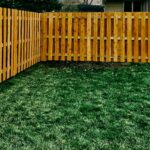
How Much Does Fence Installation Cost in Cape Coral?
Fence Costs for Cape Coral Homeowners
So you’re thinking about installing a new fence in Cape Coral and your first question is: “How much will it cost?”
Well, fencing prices in Southwest Florida vary widely depending on the material, style, size and installation requirements. But with some local knowledge you can budget accurately and avoid surprises.
1. Average Fence Costs in Cape Coral
On average fence installation in Cape Coral costs between $20 and $60 per linear foot including materials and labor. Here’s a quick breakdown by material:
- Vinyl Fencing: $25–$50 per linear foot
- Aluminum Fencing: $30–$60 per linear foot
- Wood Fencing: $20–$40 per linear foot
- Chain-Link Fencing: $15–$30 per linear foot (vinyl-coated is more)
Note: These are ballpark figures. The final cost depends on your yard size, terrain, gate choices and hurricane rated hardware.
2. What Affects Fence Installation Costs in Cape Coral
Material Choice — Vinyl and aluminum cost more upfront but require almost no maintenance. Wood is cheaper initially but needs regular sealing or painting.
Fence Height — Standard fences are 4 to 6 feet tall but taller fences require more material and may need special permits.
Length of Fence — The longer the fence the more material and labor is required, the more it costs.
Gates — Adding a gate increases costs. Driveway gates cost significantly more than standard walk-through gates.
Hurricane Compliance — Cape Coral building codes may require reinforced posts and wind rated designs especially for solid panel fences.
Property Layout — Sloped yards, obstacles (trees, rocks, pools), and difficult soil can increase installation time and cost.
3. Why Cape Coral Prices Are Different from Other Cities
Coastal Florida environments require corrosion resistant materials and wind load engineering that inland locations don’t. So your fence may cost more upfront but will last much longer in Cape Coral’s salt air and hurricane conditions.
4. How to Save Money Without Sacrificing Quality* Mix and Match: Use privacy vinyl in the back and aluminum or chain-link in less visible areas.
- Plan Smart: Fence only what you need to reduce cost.
- Hire Local: Local pros like Velocity Fencing know Cape Coral and can prevent costly mistakes.
- Invest Now: A cheap fence that fails in 5 years will cost more in the long run than a quality fence that lasts 20 years.
5. Cost Examples
Scenario 1: Small Vinyl Privacy Fence
100 linear feet × $25/ft = $2,500 installed
Scenario 2: Large Aluminum Picket Fence with Gates
200 linear feet × $35/ft = $7,000 installed
Scenario 3: Mixed Material
150 feet vinyl privacy + 100 feet chain-link = ~$5,500 installed
6. Free Local Quotes Matter
The only way to know exactly what your fence will cost is to get an on-site estimate. At Velocity Fencing we measure your property, discuss design goals, check local code requirements and give you a clear, itemized quote.
Final Thoughts
In Cape Coral, fence installation costs are an investment in privacy, security and property value. By choosing the right material and working with a trusted local installer you’ll get a fence that’s worth every penny — and built to last in our coastal climate.
Ready to get your custom fence estimate? Contact Velocity Fencing today for your free Cape Coral fencing quote.
What is a Spite Fence in Cape Coral?
Fences serve many purposes—privacy, security, aesthetic value, boundary definition. But not all fences are built with good intentions. Sometimes fences are built not to improve the property or appearance but to annoy, harass or intentionally inconvenience a neighbor. These are called spite fences.
If you’re a Cape Coral homeowner considering a new fence or dealing with a neighbor’s questionable construction, understanding what a spite fence can help you avoid legal trouble or resolve ongoing disputes. In this post we’ll break down what is a spite fence, how the law views them in Florida and what your rights are as a property owner in Cape Coral.
What is a Spite Fence
A spite fence is generally defined as a fence or similar structure that serves no legitimate purpose other than to harass or annoy a neighbor. A homeowner can technically build a fence on their property but they can’t do so solely out of malice or to reduce the value or enjoyment of a neighboring property.
Common characteristics of spite fences include:
- Unusually tall fences that block sunlight or views
- Ugly or unsightly materials used deliberately to provoke
- Placement that serves no clear function (e.g. not enclosing a yard or area)
- Built shortly after a disagreement or boundary dispute
Not every ugly or tall fence is a spite fence. The key is intent. If a fence appears to serve no practical purpose and is obviously meant to irritate or punish a neighbor it may fall under this category.
Florida’s Law on Spite Fences
Florida doesn’t have a statute titled “spite fence law” but spite fences are generally addressed under nuisance laws and property rights principles. If a neighbor builds a fence with the intent to harm, obstruct or devalue a neighboring property the affected party may have legal grounds to challenge the structure in civil court.
Under Florida case law courts may find a spite fence to be an unreasonable and intentional interference with the use and enjoyment of property. In such cases a judge could order the fence modified or removed entirely.
To prove a fence is a spite fence in Florida the following conditions usually must be met:
- The fence serves no purpose.
- It was built with malicious intent.
- It causes real harm or inconvenience to the neighboring property owner. Documentation—photos, witness testimony, history of neighbor disputes—can be important in these cases.
Cape Coral Fence Regulations
Cape Coral has its own zoning ordinances and codes related to fence height, materials and placement. While these don’t explicitly mention spite fences they do establish limits that can prevent or resolve many disputes before they escalate.
Key points for fence installation in Cape Coral:
- Residential fences are typically limited to a maximum height of 6 feet in the backyard and 4 feet in the front yard.
- Fences must be built within property lines and should not block easements or obstruct access.
- Certain materials may be prohibited depending on the neighborhood or community covenants (e.g. barbed wire, electrified fencing).
- Permits are required for most fence installations in Cape Coral.
Following these codes doesn’t just keep you compliant—it helps you maintain a good relationship with your neighbors and avoid claims of hostility or harassment.
How to Avoid Building a Spite Fence
Even if you have valid reasons for building a fence your intentions might be misunderstood if you’ve had past disagreements with your neighbors. Here are some proactive steps you can take to avoid conflict:
1. Talk to Neighbors
Let your neighbors know ahead of time that you’re planning to install a fence. Share your design plans and placement. Open communication often prevents misunderstandings and defuses tension.
2. Build for Function Not Emotion
Stick to practical reasons—privacy, safety, pets or aesthetic improvements. Avoid reacting to disputes with retaliatory construction.
3. Stay Within Legal Boundaries
Always build on your side of the property line and follow Cape Coral’s height and material restrictions. If you’re unsure have a professional survey completed.
4. Choose Thoughtful Design
Consider how your fence looks from both sides. A well constructed, attractive fence can enhance property value for everyone on the block—not just your own home.
What to Do If Your Neighbor Builds a Spite Fence
If you believe a neighbor has built a spite fence near your property in Cape Coral here’s what you can do:
1. Start with a Conversation
Sometimes misunderstandings happen. Before escalating the issue consider discussing your concerns calmly with your neighbor. They may not be aware of the impact their fence is having.
2. Check the Codes
Verify if the fence violates any Cape Coral ordinances or HOA rules. If so, you can file a complaint with the city code enforcement office.
3. Gather Evidence
Take clear photos, gather a timeline (when the fence was built relative to a dispute), and collect any correspondence. This will be useful if you need to go to court.
4. Talk to a Lawyer
If the fence meets the legal definition of a spite fence and is affecting your property, speak to a real estate attorney. They can guide you through your options which may include mediation or a civil claim for nuisance.
When Fencing Becomes a Problem
Fences are supposed to be about peace of mind—not neighborhood drama. Yet disputes over boundaries, aesthetics and motives are more common than most people think. Being informed about your rights and responsibilities is the best way to avoid turning a boundary into a battle.
As a fence company we’ve seen how planning and communication can turn potential issues into smooth projects. Whether you’re installing a fence for safety, privacy or a fresh look we’re here to help you build it right—legally and respectfully.
Conclusion
A spite fence isn’t just a neighborly faux pas—it’s a legal liability. In Cape Coral fences should be built with clear constructive intent and in full compliance with city codes. Whether you’re installing a new fence or dealing with a difficult neighbor, knowing the difference between functional and malicious fencing is key.
Thinking of putting up a fence? Talk to a reputable fencing contractor familiar with local codes and neighborhood expectations. You’ll get a beautiful, compliant and neighborly result—no drama included.
Hurricane-Resistant Fences That Withstand Salt Air in Cape Coral
Why Your Fence Needs to Survive Both Wind and Salt
In Cape Coral, fence durability isn’t just a “nice to have” — it’s a necessity. Between hurricane season winds and year round salt air blowing in from the Gulf, your fence faces challenges most inland homeowners never think about.
If you want a fence that will last for decades, you need one that’s chosen and installed for Southwest Florida’s coastal climate.
1. The Hurricane Factor
Cape Coral is in the path of tropical storms and hurricanes so wind speeds can exceed 100 mph. Standard fencing looks great on a calm day but when a storm hits, weak materials and poor installation become expensive problems.
A hurricane resistant fence should:
- Allow wind to pass through or be engineered for wind loads
- Have reinforced posts set deep into the ground with concrete
- Use corrosion resistant hardware to avoid rust related failure
2. The Salt Air Challenge
Even on sunny days salt air is working against your fence. Salt particles accelerate rust, corrosion and fading. Certain materials like untreated steel or low grade wood are poor long term choices for Cape Coral.
Best materials for salt air environments:
- Vinyl (PVC) — Impervious to rot, rust and moisture damage
- Powder coated aluminum — Corrosion resistant and lightweight
- Composite fencing — A mix of wood fibers and plastic that resists warping and decay
3. Best Hurricane Resistant Fence Materials for Cape Coral
Vinyl Fences:
Solid panel vinyl fences offer privacy and durability and when installed with reinforced posts can withstand significant winds. Look for hurricane rated vinyl systems designed for Cape Coral’s building codes.
Aluminum Fences:
Aluminum picket fences let wind flow through reducing pressure during storms. Powder coated finishes protect against salt corrosion while keeping the fence looking sharp.
Chain Link Fences with Vinyl Coating:
Not as stylish but vinyl coated chain link is very wind friendly and rust resistant — a good choice for side yards or commercial properties.
4. Installation is EverythingEven the strongest materials can fail in a hurricane if not installed correctly. At Velocity Fencing we:
- Set posts deeper than standard to resist wind uplift
- Use high strength concrete footings
- Install heavy duty hardware
- Space posts for optimal structural integrity
5. Cape Coral Building Codes & Hurricane Standards
Cape Coral requires all fencing to meet certain wind load standards. Choosing a licensed local fencing contractor ensures your fence meets city codes and is built for real world storm conditions — not just brochure promises.
6. Maintenance for Longevity
Hurricane resistant fences still need a little love:
- Rinse off salt residue every few weeks if you live near the water
- Check hardware and tighten bolts annually
- After major storms inspect for leaning posts or loose panels
Final Word
In Cape Coral a hurricane resistant fence isn’t just an upgrade — it’s a safety net for your property. By combining the right material, professional installation and routine maintenance your fence can withstand both high winds and salt air for decades.
Ready to protect your home with a fence designed for our climate? Contact Velocity Fencing today for a free no obligation quote.
Vinyl vs Aluminum Fences — Best Option for Cape Coral Climate
Choosing the Right Fence for Cape Coral’s Crazy Weather
Cape Coral homeowners know our tropical climate is beautiful and brutal. Between scorching summers, frequent rain, salty air and hurricane season winds your fence needs to do more than just look good — it needs to perform.
Two of the most popular fencing materials here are vinyl and aluminum. But which is better for Cape Coral’s conditions? Let’s break it down.
1. Vinyl Fencing in Cape Coral
Vinyl fences are a popular choice for homeowners who want a clean classic look with minimal maintenance.
Pros:
- Rot & Corrosion Resistant — Vinyl doesn’t rust or rot in our humid salty air.
- Low Maintenance — No painting or staining required; just soap and water to keep it looking new.
- Privacy Options — Solid panels for complete privacy for backyards and pool areas.
- Many Styles — White picket to modern designs vinyl has many looks.
Cons:
- Heat Expansion — In Florida’s sun vinyl can expand slightly; proper installation accounts for this.
- Wind Resistance — Quality vinyl fences can be hurricane rated but solid panels can catch more wind than aluminum picket.
2. Aluminum Fencing in Cape Coral
Aluminum fences are a sleek durable option — especially for waterfront or open view properties.
Pros:
- Corrosion Resistant — Powder coated aluminum holds up well in salt air for coastal areas.
- Hurricane Friendly — Open picket styles allow wind to pass through reducing pressure during storms.
- Elegant Look — Mimics wrought iron without the rust or weight.
- Lightweight Yet Strong — Easier to install and maintain.
Cons:
- Less Privacy — Most aluminum designs are see through; privacy panels can be added but will add cost.
- Dents — While durable aluminum can dent if hit with force.
3. Which Fence Wins for Cape Coral?
It depends on what’s important to you:* For maximum privacy and low maintenance: Vinyl wins.
- For hurricane resistant airflow and coastal style: Aluminum takes the lead.
- For pool code compliance: Both can be installed to meet safety codes.
At Velocity Fencing we recommend vinyl for backyard privacy and aluminum for waterfront or front yard accents. Sometimes we combine both for a custom solution.
4. Longevity and Cost
Both vinyl and aluminum can last 20+ years in Cape Coral with proper installation and minimal maintenance. Vinyl is slightly more expensive for privacy panels and aluminum is more affordable for open designs.
5. Local Knowledge Matters
Choosing the right material is only half the battle — the installation quality is what determines how your fence will perform in Cape Coral’s crazy weather. We take into account soil conditions, wind loads and salt exposure to make sure your fence stands strong for decades.
Bottom Line:
Whether you choose vinyl or aluminum the best fence for Cape Coral is one that’s designed and installed with our local climate in mind. At Velocity Fencing we’ll guide you through every step — from material selection to professional installation — so your fence looks great and lasts.