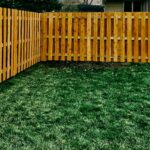
What happens if you put up a fence without a permit in Cape Coral?
Fences provide Cape Coral homeowners with privacy, security and curb appeal. But before you build one in Cape Coral, you need to understand the local regulations — especially when it comes to permits. Many cities like Cape Coral require a permit to build or replace a fence and not having one can lead to big legal and financial consequences.
This article will tell you what happens if you build a fence without a permit in Cape Coral, why permits are important and how to stay compliant with local building codes.
Why Permits Are Required for Cape Coral Fences
Permits are to ensure construction projects meet local safety, zoning and aesthetic standards. When it comes to fences, permits help local authorities:
- Verify the fence is on your property not your neighbor’s
- Enforce height and material restrictions based on zoning
- Ensure fences don’t obstruct visibility at intersections
- Prevent damage to underground utilities or drainage systems
- Comply with HOA rules or historic preservation ordinances
Getting a permit is more than just a formality — it prevents future disputes, fines and expensive redos.
What Happens If You Don’t Get a Permit in Cape Coral?
Building a fence without a permit in Cape Coral seems like an easy way to save time and money. But the risks far outweigh the temporary convenience. Here’s what can happen if you proceed without proper authorization:
1. Code Enforcement Fines
If your local government finds out you built a fence without a permit, you’ll get a notice of violation. This can result in daily fines until the issue is resolved. In some Cape Coral counties, these fines can be $100 to $500 per day depending on the severity and duration of the violation.
2. Stop Work Order
If the fence is under construction and a code officer sees it being built without a permit, they can issue a “stop work order”. This legally forces you to stop all work immediately, often leaving you with an incomplete or exposed fence until the proper permits are obtained.
3. Fence Must be Removed
In some cases, authorities may require the entire fence to be removed — especially if it violates setback requirements, height restrictions or zoning codes. This can be expensive and frustrating especially if materials and labor have already been paid for.
4. Trouble Selling Your Home
When you sell a home in Cape Coral, a title company or buyer may request documentation for all major improvements including fencing. If a fence was built without a permit, it can delay or kill a sale. You may be required to get a retroactive permit or remove the unpermitted structure.
5. Liability
An unpermitted fence that causes injury or damage — for example if it falls during a storm — can expose you to liability. Your homeowner’s insurance may deny coverage if the fence wasn’t built to code or didn’t have proper permits, leaving you personally responsible.
What to Do if You Already Built a Fence Without a Permit?
If you built a fence and found out you needed a permit, don’t panic — but don’t ignore it either. Here’s what to do:
1. Contact Your Local Building Department
Explain the situation honestly and ask what you need to do to bring the fence into compliance. In many cases you can apply for a retroactive permit but you may have to pay a higher fee than if you had gotten it in advance.
2. Schedule an Inspection
Your city or county may require an inspection of the existing fence. If it meets all requirements you may be able to legalize it without changes. If not you may need to make modifications or remove and rebuild certain sections.
3. Work With a Licensed Contractor
A local fence contractor will know the permitting requirements in your area and can help you navigate the process. If you built the fence yourself it may still be wise to consult a professional to ensure compliance going forward.
Permit Requirements Vary by Location
Permit rules can vary significantly between Cape Coral cities and counties. For example:
- In Miami-Dade County permits are required for any fence over a certain height or made of certain materials like concrete or masonry.
- In Tampa residential fences typically require a permit if they are over 6 feet tall.
- In Cape Coral and Lee County permits are needed for all fences and you must include a property survey with your application.
Always check with your local building department for the most accurate and up-to-date information.
Common Permit Requirements for Fencing in Cape Coral
When applying for a fence permit in Cape Coral you’ll usually need:
- A completed permit application form
- A recent property survey showing boundaries and easements
- Drawings or plans showing fence location, height and materials* Property ownership or contractor’s license
- HOA approval (if applicable)
Fees range from $30 to $150 or more depending on the jurisdiction and fence type.
Exceptions and Special Cases
Most permanent fences require permits but there are a few exceptions:
- Temporary fences used during construction don’t need permits but must follow safety guidelines.
- Low garden fences or barriers under a certain height may be exempt depending on your city’s rules.
- HOA communities may have stricter rules than the city and HOA approval may be required even if a permit isn’t.
Check with your local government or HOA before you build.
Conclusion
Building a fence without a permit in Cape Coral might seem like a quick fix but it can cost you big time. From fines and removal to insurance and sale issues, skipping the permit process is never worth it.
The good news is getting a permit is usually easy and affordable — and it gives you peace of mind your fence is legal, safe and installed correctly. Whether it’s a decorative picket fence or a tall privacy fence, always research, check local rules and build with compliance in mind.
What’s the Best Height for a Cape Coral Privacy Fence?
When you’re planning to put up a privacy fence around your Cape Coral property, one of the biggest decisions you’ll make is what height. The right height not only affects your privacy and security but also your home’s curb appeal and local codes.
Let’s dive into how to choose the best height for a privacy fence based on your goals, local regulations and other important factors.
Why Height Matters
The height of your privacy fence impacts:
- Privacy: Taller fences block views into your yard and create a secluded feel.
- Security: A higher fence deters intruders and contains pets or kids.
- Aesthetics: Fence height plays into the overall look of your home and landscaping.
- Compliance: Most cities and HOAs have height restrictions for fences especially in front yards.
Choosing the right height ensures your fence does what you want and avoids costly mistakes or legal issues.
Standard Cape Coral Privacy Fence Heights
Fence heights vary depending on purpose and local guidelines but here are common privacy fence heights:
- 4 feet: Used in front yards, gardens or decorative applications. Not enough for full privacy.
- 6 feet: Most popular for backyard privacy. Tall enough to block sightlines but within many zoning rules.
- 8 feet: Maximum privacy and security. Best for homes next to busy streets, multi-story buildings or close neighbors—but may require special permits.
Key Factors to Consider In Cape Coral
1. Your Privacy Needs
The reason for building a privacy fence is of course privacy. If your property borders a neighbor’s yard, a street or a public space a 6-8 foot fence is usually the way to go. Consider what you want to block—people walking by, second story windows or just close range visibility.
For example:
- If you’re only blocking a line of sight from ground level 6 feet may be enough.
- If your neighbor’s windows overlook your yard 8 feet may be more effective.
2. Local Zoning Laws and HOA Rules
Before you install a fence check your local building codes and HOA regulations. Many municipalities cap fence height at:
- 4 feet in front yards
- 6 feet in backyards Some areas may allow taller fences if they’re set back a certain distance from the property line or if a variance is obtained. Always check the rules before installation to avoid fines, removal orders or neighbor disputes.
3. Security
A taller fence is a stronger deterrent to trespassers or animals. If security is your top priority—such as for homes near busy streets, alleys or wooded areas—6 or 8 foot may be the way to go.
Adding features like solid panels, locking gates or trellis extensions can enhance security even more.
4. Pet or Child Containment
If you want to keep pets or kids safely inside the yard the height should match their activity level:
- Small dogs: 4-5 foot may be enough.
- Large or jumping breeds: 6 foot or more.
- Kids’ play areas: 6 foot ensures they stay within a safe boundary.
Solid fences with no gaps reduce the chance of escape or injury.
5. Visual Appeal and Cape Coral Property Aesthetics
The right height should match your home’s design. A fence that’s too tall can overpower your landscaping or make your yard feel enclosed and dark. A fence that’s too short can look out of place or not do its job.
Balance is key. Decorative top elements like lattice can soften the look of a tall fence while still providing coverage.
6. Cape Coral Wind and Weather Conditions
Taller fences have more surface area and are more prone to wind damage. If you live in a windy or hurricane prone area like Cape Coral consider wind resistant materials (like vinyl or aluminum) and proper post anchoring.
You may also choose a fence design that allows some airflow—like a shadowbox or spaced picket style—to reduce wind resistance.
Additional Design Tips
- Stepped Fencing: On sloped ground use a stepped fence to maintain consistent height and visual flow.
- Mixed Heights: Consider combining tall fences for privacy in certain areas (e.g. around a patio or pool) with shorter ones where visibility is desired.
- Plant Integration: Use shrubs or tall plants in combination with a slightly lower fence for a softer, natural privacy barrier.
Permits and Property LinesBefore you build check where your property lines are. In many areas privacy fences must be built within your property not on the line. You may need:
- Site plan
- Building permit
- Inspection upon completion
Involve your neighbors in the process especially if your fence borders their property to prevent disputes and build good relationships.
What If You Build Too High?
If you build a fence that’s too high without permission:
- You may have to lower or remove it at your own cost.
- You could face fines or be denied a certificate of occupancy.
- HOA rules may impose additional penalties or legal action.
So always check the rules before you start building.
Conclusion: Finding the Right Height for Your Cape Coral Privacy Fence
The right height for a privacy fence depends on your needs—seclusion, security, pet containment or aesthetics. For most homeowners a 6 foot fence is the sweet spot. In areas where maximum coverage is needed an 8 foot fence may be the way to go with the right permissions.
Ultimately choosing the right height enhances your comfort, protects your home and adds value to your property without regulatory headaches.
Not sure where to start? Consult a local fencing professional. They can guide you through the design, permitting and installation process to make sure your privacy fence meets your goals and the law.
What Are Cape Coral Fence Setbacks?
A Cape Coral Homeowner’s Guide to Property Line Regulations
When planning to install a new fence, many homeowners focus on design, height, and materials. But one crucial factor that’s often overlooked is fence setbacks. Ignoring setback rules can result in costly fines, forced removals, or even legal disputes with neighbors.
In this article, we’ll explore what fence setbacks are, why they matter, how to find your local regulations, and tips to ensure your fence installation stays within the legal boundaries of your property.
What Is a Fence Setback?
A fence setback in Cape Coral refers to the minimum distance your fence must be placed from a property line, sidewalk, street, or another structure as determined by your local zoning or municipal code. Setbacks help maintain uniformity in neighborhoods, provide access to utilities, and prevent encroachment onto neighboring properties.
The actual setback distance can vary depending on:
- Your location (state, county, and city)
- Zoning classification (residential, commercial, agricultural)
- Type of street (corner lot, arterial road, alley)
- Fence height and design
- Use of the fence (privacy, decorative, pool safety, etc.)
Why Fence Setbacks Matter
While setbacks might seem like a technicality, they serve important purposes:
1. Legal Compliance
Setbacks are established by local governments to ensure structures, including fences, are positioned safely and uniformly. Installing a fence outside the legal boundary could result in a violation notice and a requirement to relocate or remove it—at your expense.
2. Neighbor Relations
Fences built too close to a neighbor’s property can lead to boundary disputes or accusations of encroachment. Adhering to setbacks helps maintain good relationships and avoids conflicts.
3. Access to Utilities
Setbacks provide room for utility companies to access underground lines, cables, or drainage easements without interference. A fence built on a utility easement may be removed without compensation.
4. Visibility and Safety
Especially on corner lots, fence setbacks prevent visibility obstructions that can block sightlines for drivers, cyclists, and pedestrians. This is why many cities enforce stricter setbacks or height limits near intersections.
Common Setback Requirements by Area
Fence setback requirements can vary greatly, even within the same state. Here are a few common examples:
- Front Yard Setbacks: Many municipalities require fences to be set back 10 to 25 feet from the front property line or sidewalk.
- Side and Rear Yard Setbacks: Side or backyard fences often have fewer restrictions—sometimes allowing installation directly on the property line or within 1–2 feet of it.
- Corner Lot Setbacks: Setbacks may be increased on the street-facing side to preserve visibility.
- Pool Fences: These often have their own unique regulations and must also comply with child safety codes, such as the Florida Building Code for pools.
Always confirm these numbers with your local zoning office, as there is no one-size-fits-all rule.
How to Find Your Cape Coral Property’s Fence Setback Requirements
Before you install any fencing, follow these steps:
1. Check Local Zoning Codes
Your city or county’s zoning department or building department typically maintains setback regulations. These may be listed online in zoning ordinances or Unified Development Codes (UDCs).
2. Contact Your HOA
If you live in a community governed by a homeowner’s association (HOA), they may have their own stricter setback rules on top of municipal guidelines.
3. Request a Property Survey
A professional survey shows exact property boundaries and easements. This is vital if you’re unsure where your lot ends or if existing fences are incorrectly placed.
4. Apply for a Fence Permit
Most municipalities require a permit before installing a fence. The permitting process often includes a review of setback compliance.
What Happens If You Violate a Cape Coral Setback?
Installing a fence that violates a setback can result in:
- A Stop Work Order: You may be required to cease all installation immediately.
- Fines or Penalties: Local agencies may impose daily fines until the issue is resolved.
- Forced Removal or Relocation: In some cases, non-compliant fences must be removed or relocated to the correct position.
- Legal Action: A neighbor may pursue legal remedies if the fence crosses a boundary or causes a nuisance.
To avoid these headaches, always confirm your plans before digging.
Can You Build a Fence on the Cape Coral Property Line?
In many jurisdictions, yes—but with conditions:
- You may be required to get your neighbor’s approval, especially for shared fences.
- Both parties might be held responsible for maintenance and cost.
- Even if allowed, fencing right on the line may eliminate the ability to maintain one side without entering a neighbor’s yard.
For this reason, many contractors recommend installing the fence 6–12 inches inside your property line.
Special Considerations
Easements
Utility, drainage, or access easements may restrict where you can place a fence, even if the area is on your property. Contact your local planning department or utility providers to confirm easement locations.
Retaining Walls
If you’re building a fence near or on top of a retaining wall, additional structural reviews and setbacks might be required.
Historical Districts
Homes in historic zones may have unique restrictions on fencing, including placement, material, and appearance.
Tips for a Trouble-Free Fence Installation
To make sure your fencing project goes smoothly:
- Get a current property survey to clearly understand your lot lines.
- Hire a licensed contractor familiar with local zoning and permitting.
- Communicate with your neighbors, especially if you plan to build close to shared boundaries.
- Document everything—permits, survey records, and neighbor agreements—in writing.
- Mark utilities with help from your local “Call Before You Dig” service to prevent dangerous and costly damage.
To Conclude
Fence setbacks are a critical but often overlooked component of any successful fencing project. These regulations are in place to protect your property rights, preserve safety, and minimize legal disputes. Whether you’re installing a backyard privacy fence or enclosing a pool, understanding and following local setback rules is the key to a hassle-free experience.
Before you start digging, always research local codes, confirm your property lines, and consult with professionals if needed. A well-planned fence not only enhances your property—it stands strong on a solid legal foundation.